How to Fix a “Gummy Smile”
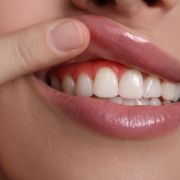
A gummy smile is a term used to describe a smile that shows an excessive amount of gum tissue. In general, a smile is considered “gummy” when more than 4 millimeters of gum tissue is visible above the upper teeth.
While a gummy smile is not necessarily unhealthy or abnormal, some people feel that it affects the appearance of their smile. Fortunately, there are several effective cosmetic and restorative dental treatments that can help create a more balanced and attractive look.
What Causes a Gummy Smile?
A gummy smile can make the teeth appear short or uneven. Ideally, the gum tissue should sit at or just above the neck of each tooth, known as the cementoenamel junction.
In some cases, the gums may cover 50% or more of the visible tooth surface. This condition can be caused by a variety of factors.
Delayed or Abnormal Tooth Eruption
Sometimes teeth erupt normally, but the gums do not recede as they should. As a result, the teeth may appear much shorter than they actually are.
Jaw Development
The way the upper jaw develops can affect how much gum tissue is visible when you smile. Excessive protrusion of the upper jaw can lead to greater gum exposure.
Hyperactive Upper Lip
Some people have an upper lip that rises higher than normal when they smile. This can expose more gum tissue than usual.
Why a Gummy Smile Can Affect Oral Health
Excess gum tissue can make it more difficult to maintain proper oral hygiene. Food particles and bacteria may become trapped beneath the gumline, increasing the risk of inflammation and infection.
This can lead to:
- Red, swollen gums
- Bleeding when brushing or flossing
- Gingivitis
- Periodontal disease
- Tooth decay
- Tooth loss if left untreated
Treating a gummy smile can improve both the appearance of your smile and your long-term oral health.
Treatment Options for a Gummy Smile
If you think you have a gummy smile, schedule a consultation with Dr. Chauvin. Dr. Chauvin will examine your teeth, gums, and jaw to determine the underlying cause and recommend the most appropriate treatment.
Your evaluation may include:
- A comprehensive oral examination
- Conventional or digital impressions
- Dental X-rays to evaluate the tooth roots and jawbone
In more complex cases, you may be referred to a specialist such as a periodontist, orthodontist, or oral surgeon.
Gingivectomy
A gingivectomy involves removing excess gum tissue to expose more of the natural tooth structure.
This procedure:
- Is typically performed under local anesthesia
- Requires no sutures in most cases
- Usually heals within 1 to 2 weeks
- Produces immediate cosmetic improvement
A gingivectomy is often the ideal solution when only a few teeth are affected.
Crown Lengthening
Crown lengthening removes and reshapes both gum tissue and, when necessary, a small amount of bone to reveal more of the tooth.
This procedure can:
- Treat one or multiple teeth
- Create a more even smile
- Improve both appearance and function
Although slightly more involved than a gingivectomy, crown lengthening is still a routine and predictable treatment when performed by an experienced dentist or specialist.
Recovery and Results
Both procedures carry a very low risk of complications. Mild discomfort after treatment can usually be managed with over-the-counter medications.
Patients often notice an immediate improvement, with final results becoming even more noticeable over the following weeks as the gums and bone fully heal.
Once healing is complete, patients can enjoy a healthier, more proportionate smile.
Schedule a Consultation With Dr. Chauvin
If you are concerned about a gummy smile, Dr. Chauvin can help determine the cause and recommend the right treatment option for your needs.
Contact our office today to schedule a consultation and learn how we can help you achieve a more balanced, confident smile.
Frequently Asked Questions:
1. Is a gummy smile unhealthy?
A gummy smile is not always a health problem, but excess gum tissue can make oral hygiene more difficult and increase the risk of gum disease and tooth decay.
2. What is the best treatment for a gummy smile?
The best treatment depends on the underlying cause. Common options include gingivectomy, crown lengthening, orthodontics, and in some cases, oral surgery.
3. Is gummy smile treatment painful?
Most procedures are performed using local anesthesia, so patients remain comfortable during treatment. Any mild soreness afterward is usually easy to manage.
4. How long does it take to recover?
Initial healing typically takes 1 to 2 weeks, although the gums continue to refine and settle over the following weeks.
5. Are the results permanent?
In most cases, gummy smile treatment provides long-lasting or permanent results, especially when caused by excess gum tissue.
6. Can treating a gummy smile improve oral health?
Yes. Removing excess gum tissue can make brushing and flossing easier and reduce the risk of gingivitis and periodontal disease.