How Does a Root Canal Work?
Root canals have a bad reputation that’s decades out of date. When root canal treatment first became common, it really was uncomfortable, but the procedure has changed dramatically since then.
The reputation, unfortunately, hasn’t caught up. A survey by the American Association of Endodontists found that patients who’ve actually had a root canal are six times more likely to describe it as painless than those who haven’t had one. More than 15 million teeth are saved every year with root canal treatment.
From our team at Dr. Chauvin’s dental office in Lafayette, Louisiana, here’s what you actually need to know.
Start With the Anatomy of Your Tooth
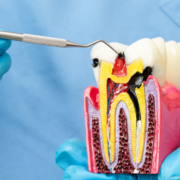
Understanding why a root canal is sometimes necessary starts with understanding what’s inside your tooth. Beneath the hard white enamel and a second hard layer called dentin is a soft tissue called the pulp. The pulp contains blood vessels, nerves, and connective tissue, and it plays an important role in helping your tooth’s root grow during development. In a fully developed tooth, however, the tooth can actually survive without the pulp — because it continues to be nourished by the surrounding tissue. That’s what makes a root canal possible.
Why Would You Need a Root Canal?
Once the pulp becomes infected, it needs to be removed in order to save the tooth. There are several ways this can happen. The most common is an untreated cavity that allows bacteria to work their way deep into the tooth. A crack or chip in the tooth can open the same door. Failing restorations — like an old filling or a worn crown — can also allow bacteria to leak into the pulp over time.
Once infected, the pulp begins to die, and the body’s inflammatory response kicks in. The combination of infection and inflammation is what causes the significant pain most people associate with a root canal. The root canal treatment itself isn’t the source of the pain — it’s the solution to it.
Signs You Might Need a Root Canal
Not sure if what you’re experiencing warrants a call to the dentist? Here are some common indicators:
- Hot or cold food or drinks cause a toothache or lingering sensitivity
- Chewing is painful or difficult
- Your tooth is sore to the touch
- You have a severe or throbbing toothache
- There’s a bump on your gum, possibly filled with pus
- Pain that radiates from one part of your mouth to another, or into your head or ear
If any of these sound familiar, it’s worth getting checked out sooner rather than later.
What Does the Root Canal Procedure Actually Involve?
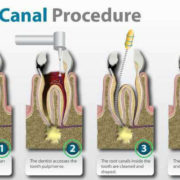
Root canal therapy is a detailed procedure that requires both skill and experience, and it often takes more than one visit to complete. Here’s what the process typically looks like:
- X-ray and anesthesia: The first step is taking an X-ray to assess the shape of the root canals and check for any signs of infection in the surrounding bone. Local anesthesia is then used to numb the area — so while root canals have a scary reputation, you should be comfortable throughout the procedure.
- Cleaning and shaping the canal: A small opening is made through the enamel and dentin to access the pulp. Using flexible nickel titanium files, Dr. Chauvin carefully shapes the inside of the canal, thoroughly removing all traces of infection and debris while minimizing any impact on the surrounding ligaments and bone.
- Disinfecting and sealing: Once the canal is clean, it’s disinfected and sealed using a material called gutta-percha — a natural, biocompatible, antibacterial material that is heated and used to fill and seal the hollowed space within about 15 minutes. If the procedure spans more than one appointment, a temporary filling is placed to keep contaminants out between visits.
- Final restoration: Because a tooth that needs a root canal has often already experienced significant decay or damage, a crown or other restoration is typically placed once the root canal is complete. This protects the tooth, prevents it from breaking, and restores it to full function.
Ready to Stop Living With Tooth Pain?
If you’re experiencing any of the symptoms above or think you might need a root canal, don’t put it off. The earlier a tooth is treated, the better the outcome. Give Dr. Chauvin’s Lafayette, Louisiana dental office a call today. We’ll make sure you’re comfortable every step of the way.