• Link to Facebook
  • Link to X
  • Link to Instagram
Dr Chauvin
  • Home
  • About
  • Doctors
  • Testimonials
  • Services
    • Teeth Cleaning
    • Teeth Whitening
    • Dental Implant Restoration
    • Dentures and Fixed Bridges
    • Root Canal
    • Mouth Guards
    • Night Guards
    • Root Canal
    • Fillings
    • Porcelain Crowns
    • Wisdom Teeth Extraction
    • Periodontal Gum Treatments
  • Advanced
  • Sedation
  • FAQ
  • Blog
  • Contact
  • Pay Bill Online
  • Menu Menu

What is pulp therapy?

September 30, 2015/in Uncategorized/by admin

Pulp-TherapyPulp therapy (pulpotomy or pulpectomy) is needed when the nerve of a primay (“baby”) tooth is affected by decay or infection; it is the same concept of root canal therapy for permanent teeth.

In order to save the tooth, the pulp (the living tissue inside the tooth), nerves, bacteria, and any decay are removed and the resulting space is filled with special, medicated, dental materials, which restore the tooth to its full function.

Having pulp therapy done on a tooth is the treatment of choice to save a tooth that otherwise would die and have to be removed.  Many patients believe that removing a tooth that has problems is the solution, but what is not realized is that extracting (pulling) a tooth may ultimately be more costly and cause significant problems with space maintenance for permanent teeth.

Pulp treatment is highly successful and usually lasts the lifetime of the baby tooth, although on occasion, a tooth will have to be extracted due to new or recurrent infections.

Signs and symptoms for possible pulp therapy:

Inflamed or injured pulp is exceptionally painful.  Even if the source of the pain isn’t visible, it will quickly become obvious that the child needs to see the pediatric dentist.

Here are some of the other signs to look for:

  • Sensitivity to hot and cold.
  • Severe toothache pain.
  • Sometimes no symptoms are present.
  • Swelling and/or tenderness.

Reasons for pulp therapy:

  • Decay has reached the tooth pulp (the living tissue inside the tooth).
  • Infection or abscess have developed inside the tooth or at the root tip.
  • Injury or trauma to the tooth.

When should a child undergo pulp therapy?

Every situation is unique.  The pediatric dentist assesses the age of the child, the positioning of the tooth, and the general health of the child before making a recommendation to extract the tooth or to save it via pulp therapy.

Some of the undesirable consequences of prematurely extracted/missing teeth are listed below:

  • Arch length may shorten.
  • In the case of primary tooth loss, permanent teeth may lack sufficient space to emerge.
  • Opposing teeth may grow in a protruding or undesirable way.
  • Premolars may become painfully impacted.
  • Remaining teeth may “move” to fill the gap.
  • The tongue may posture abnormally.

What does pulp therapy involve?

A pulpotomy or pulpectomy procedure requires one or more appointments and can be performed by a dentist or endodontist (a root canal specialist).

While the tooth is numb, a rubber dam (a sheet of rubber) will be placed around the tooth to keep it dry and free of saliva.  An access opening is made on top of the tooth and a series of root canal files are placed into the opening, one at a time, removing the pulp, nerve tissue, and bacteria for a pulpectomy or just the pulp tissue from the crown (the part of the tooth visible when looking in the mirror) region for a pulpotomy.  Tooth decay will also be removed with special dental instruments.

Once the tooth is thoroughly cleaned and medicated, the best way to restore or “fix” the missing tooth structure and provide the best seal from bacteria is to place a stainless steel crown. This will protect the tooth and prevent it from breaking, and will restore it to its full function.

After treatment, your tooth may still be sensitive, but this will subside as the inflammation diminishes and the tooth has healed.

You will be given care instructions after each appointment.  Good oral hygiene practices and regular dental visits will aid in the life of your child’s pulp treatment.

If you live in or around Lafayette, Louisiana and you suspect your child is in need of pulp therapy, contact Dr.  Chauvin’s office to schedule an appointment for a consultation today.
https://lafayettedenti.wpengine.com/wp-content/uploads/2014/07/logo_new.jpg 0 0 admin https://lafayettedenti.wpengine.com/wp-content/uploads/2014/07/logo_new.jpg admin2015-09-30 16:42:442015-09-30 16:42:44What is pulp therapy?

Periodontal Disease Linked to Heart Disease

June 24, 2015/in Uncategorized/by admin

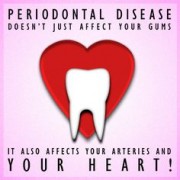
Heart disease is one of the most common health problems of many people around the globe. Did you know that poor oral hygiene can lead to heart problem? Gum disease is a type of condition wherein the tissues that surround the teeth are inflamed or has an infection. As this condition advances, the bones of the jaw will start to decay. This disease is caused by bacteria that grow within the surface of teeth under the gums. Scientific studies have shown that gum disease can lead to heart disease that can be describe as a diversity of heart infection, heart disease and other conditions.

Gum disease is an infection of the tissue that within the teeth. The first phase of gum disease is called as gingivitis as this condition aggravates, it can lead to periodontal disease. According to the expert from Michigan Health System, the mouth produces plaque naturally, an unseen substance situated in human teeth. This contains bacteria that can produce contaminant that can harm gum tissue, which will harden over time.

Heart Disease

Periodontal disease is linked to heart disease because when the infection and damage of the gums and bones becomes worst, the bacteria and the tiny fragments can be swallowed thus leading to heart disease. This is because the bacteria can travel through the bloodstream and can be deposited to the heart tissue that causes inflammation and infection.

Gingivitis is a slight condition that causes red and swollen gums that may bleed when brushed. Periodontitis can be seen when the gums starts to withdraw from teeth, wherein it exposes the bone. The unprotected bone may become infected with the bacteria. The gums may become swollen, red and may emit pus. The loosen teeth and bad breath means that it should be extracted immediately.
The signs of bacterial endocarditis comprises of breathlessness, joint pain, coughing, muscle aches, weakness, fever, fatigue and heart murmur. Heart functional issues eventually follows such as chest pain, irregular heart beat and heart palpitations.

Risk Factors of Periodontal Disease

The risk of developing this condition is very high for individuals who have genetic predisposition but most of all it is very common for people who doesn’t practice a healthy oral care. The teeth should be brushed at least 2-3 times a day and flossed once a day. Additionally, people with poor immune system are also prone to develop the condition such as patients with diabetes, leukemia and AIDS. Smokers or people who are under high stress with poor diet are also prone to develop this condition.

Prevention and Treatment of Periodontal Disease

The prevention is very important to avoid the bad effects of periodontal disease. Proper oral care like brushing and flossing the teeth regularly is a must to protect your teeth from these bacteria. Additionally, do not be afraid to visit your reliable and dependable dentist regularly for at least two times a year to prevent periodontal disease. Mild case of gingivitis will require proper oral care and antibacterial medication, but in severe case, the dentist may need to remove parts of the gums wherein it is the only way to prevent the disease to spread.

In conclusion, heart disease due to periodontal disease can be evaded as long as you know how to care your teeth.  Consulting the dentist is an effective way to help you prevent heart disease.

https://lafayettedentistchauvin.com/wp-content/uploads/2015/06/gum-disease-leads-to-heart-disease-.jpg 236 236 admin https://lafayettedenti.wpengine.com/wp-content/uploads/2014/07/logo_new.jpg admin2015-06-24 08:46:452015-06-18 17:51:02Periodontal Disease Linked to Heart Disease

Is There A Vaccination For Cavities In The Future?

June 10, 2015/in Uncategorized/by admin

Is there a vaccination for cavities in the future? This is perhaps a common question for most people who are looking for non-costly means on how to protect the teeth from cavities permanently. Since immemorial, cavities is one of the most common problems of people and it is the reason why they need to go to the dentist at least twice a year in order to determine if their teeth are always healthy.

What is Mutans Streptococci?

Mutans streptococci are a type of bacteria that is responsible for cavities. This is a type of bacteria that is naturally released by our system particularly in the mouth area.  They can be there at the mouth not harming the oral system. On the other hand, poor oral hygiene, genetic predisposition, weak immune system can allow these bacteria to proliferate in the system thus causing harm and can lead to periodontal disease.

Periodontal disease is a condition wherein cavities have advanced causing to destroy the teeth, gums and well as the bones within the jaw. As a result, the bacteria can travel through bloodstream which can infect the heart eventually.

Vaccines are important preventive measure to avert such health condition to thrive. Believe it or not, scientist and researchers from the Forsyth Institute in Boston in U.S. are studying or researching a vaccine which targets the bacteria mutans streptococci.  You have to understand that when these bacteria break down the food they produce lactic acid that is responsible to wear away the tooth enamel.

About the Vaccine

The main objective of the vaccine is to enhance the immune system to create antibodies that can kill the enzyme that permits the bacteria to stick into the teeth. Since, it cannot cling anymore to the tooth enamel the bacteria are eradicated by saliva thus protecting the teeth and gums.

In an experiment done and rats are given with this vaccine has not develop any cavities. Trials are also used in people and it shown that the vaccine is promising because it does not have caused any issue.

Moreover, experts also suggest that it can be an ideal vaccine for children below 1 year old while their teeth are still developing and at the same time the plaque bacteria is already established. According to the experts, if this vaccine is given to children, it can avert thrive of plaque bacteria. This is an effective barrier to help the children to have a better oral health for life.

The adults who are tested for this vaccination shows that the vaccine helps to decrease the cavity and oral health problems. Moreover, still it is still not out in the market because additional researches are still being done.

Cavity vaccines can be an effective tool to protect the teeth and the overall health. On the other hand, practicing a good oral health and visiting the dentist regularly is still imperative to assure that your teeth are healthy as well as to protect health from periodontal disease. Cavities can be avoided as long as you know how to protect oral health.


Until this vaccine becomes a reality Dr. Chauvin, your favorite Lafayette Louisiana dentist wants you to remember to get teeth cleanings twice a year to keep your mouth happy. Contact us today!

https://lafayettedenti.wpengine.com/wp-content/uploads/2014/07/logo_new.jpg 0 0 admin https://lafayettedenti.wpengine.com/wp-content/uploads/2014/07/logo_new.jpg admin2015-06-10 08:31:212015-06-09 19:41:47Is There A Vaccination For Cavities In The Future?

What Can Soda Do To Your Teeth?

May 27, 2015/in Uncategorized/by admin

Soda and teeth are not BFF'sSoda is perhaps everyone’s favorite beverage of all time. Soft drink, cola or pop, no matter what you call it, is a delicious drink that most people love to consume. This type of beverage is made of sweetener, water and flavorings and contains tons of sugar.  Meaning to say, soda can be detrimental to the teeth’s well-being as it contains heaps of sugar and acid.

As a matter of fact, according to research a single can of soda (12oz) contains at least 39 grams of sugar, which is equals to ten cubes of sugar or 140 calorie. This is a lot amount of sugar that is not just bad to teeth but also for the overall health especially obese people. We all know that too much amount of sugar is not good to teeth just like sugary candies do.

Diet Soda and Fruit Juices

One mistake of most people is they tend to drink the diet version of sodas because it does not contain loads of sugar as compared to the regular ones,  but keep in mind that the sugar is just lessened or lowered in diet versions of these drinks. They are still acidic or have a high number or acidity that can cause harm to the teeth.

If you love to drink highly acidic drinks like sodas, colas or soft drinks regularly softens the tooth enamel and it can lead to sensitive, cavity prone and weaker teeth. For some who think that fruit juices are the best alternative as they are not as harmful as sodas you are wrong, it is still contain acids. However, fruits juices are great choice as they are healthier beverages.  Exposure to black coffee also affects the color of the teeth as well.

Water is Still the Best

That is why if you want to have a healthier teeth, it is very ideal to drink pure water more as it can help to have an enhanced oral health. It would be best to drink water as it helps to cleanse the mouth as well especially if there are foods particles that are stuck on between the teeth.

Signs that Soda Already Harmed Your Teeth

You need to remember the warning signs indicating that acid erosion is already happening. The symptoms are tooth aching, tingling, sensitive to hot or cold drinks, pain when brushing and flossing, The continues exposure to cola drinks can also lead to teeth eroding and cracking.

Even if the dentist will recommend their patient to permanently cut acidic drinks from the diet, it is somewhat impossible because fruit juices or coffee are still there. That is why proper care and measures should be followed as well.

Tips to Protect Teeth from Bad Effects of Soda

  • Always get a regular check-up from you dentist every six months is a must.
  • As much as possible reduce the frequency of drinking acidic drink especially cola.
  • Use a straw when drinking acidic drinks to prevent exposure from the liquid.
  • Do not gurgle with acidic drinks.
  • Drink water after drinking acidic beverages
  • It is not ideal to brush teeth right away after drinking acidic drinks.

Finally, soda is a great beverage but it pauses a great threat to oral health especially for the teeth. To assure that soda cannot harm your oral health, a regular visit to Dr. Chauvin is a must thing to do.

https://lafayettedenti.wpengine.com/wp-content/uploads/2014/07/logo_new.jpg 0 0 admin https://lafayettedenti.wpengine.com/wp-content/uploads/2014/07/logo_new.jpg admin2015-05-27 08:00:442015-05-27 14:51:32What Can Soda Do To Your Teeth?

What’s the difference in cold sores and canker sores

May 13, 2015/in Uncategorized/by admin

difference in cold sores and canker soresAt doctor Chauvin’s office, we know many people have experienced some form of mouth sores or irritation. Some mouth sores are harmless and go away on their own after a few days, while others are more serious and should not be ignored. Mouth sores occur for many different reasons, but bacterial infections, viruses, or funguses often trigger them. The best way to tell the difference between cold sores and a canker sores is that canker sores occur inside the mouth while cold sores occur on the outside the mouth.

What is a canker sore?

A canker sore is an open sore inside the mouth or along the tongue. It can also be referred to as an aphthous ulcer. They can cause some discomfort and are normally white or yellow in color along with a red area in the middle. A canker sore is not contagious and therefore cannot be spread with any mouth-to-mouth interaction such as kissing or sharing food and drink.

What is a cold sore?

A cold sore is normally associated with the herpes simplex virus and appears along the lips and side of the mouth. These sores are small but painful and red in color. They can also be called fever blisters. A cold sore can tend to leak fluid and scab at times. Unlike canker sores, a cold sore is highly contagious and can be spread from kissing, sharing food or by touching the sore.

Causes for canker sores

Although there is really no one cause for getting a canker sore, there are some things that doctors  and dentist relate canker sores to include the following:

  • Stress
  • Poor Diet
  • Vitamin Deficiency
  • Food Allergies
  • Menstrual Period
  • Hormones

Causes for cold sores

Canker sores can be brought on easily with stress or spicy food, but a cold sore is very different. Cold sores are normally only brought on by the herpes simplex virus from a person who is already infected with the virus. If a person shares their saliva with another person while kissing or sipping on the same glass, this can easily get someone else infected with the virus and therefore bring out a cold sore.

How to detect a cold sore and a canker sore

Knowing which type of sore you have is imperative so that you know what type of treatment you need. Luckily, there are many ways to determine which type of sore you have just by simply looking at your symptoms.

Cold sores offer specific symptoms which include:

  • Pain around the mouth or effected area
  • Fever
  • Sore throat
  • Swollen glands
  • Clear leaky fluid from sore
  • Scab over the blister

Canker sores have their own set of symptoms and can sometimes be confused with cold sores because they can be very similar. Some symptoms of canker sores can be:

  • A small painful sore or an open ulcer
  • White or yellow in color
  • Fever
  • Swollen glands

The biggest difference between a canker sore and a cold sore is where they are on the body and what they look like. While a cold sore is usually red and sometimes leaks a clear fluid, a canker sore is usually yellow or white. Both can cause a fever, but normally a canker sore only causes fevers, fatigue or swollen glands in very severe cases.

Treatment for cold and canker sores:

The pain from a canker sore usually lessens within a few days and the sores heal without treatment. If the sores are large, painful and persistent, your dentist may prescribe an antimicrobial mouth rinse or ointment to relieve the irritation. It is also suggested that you avoid foods that irritate your mouth such as citrus fruits, acidic vegetables and spicy flavors.  Be sure to brush with a soft-bristled toothbrush and floss daily, which will keep your mouth free from irritating food particles.

Cold sores also typically heal on their own.  However, if they are painful or you are embarrassed by their appearance, over the counter topical ointments and creams can be used. The virus that causes the cold sore, unfortunately, can not be cured.

Thankfully, though they are both annoying and painful mouth sores, neither are life threatening and can happen to anyone.  If you think you have one of these mouth sores and need advice on treatment, call our office today to schedule a quick appointment so your dentist can help treat your mouth sore.

https://lafayettedenti.wpengine.com/wp-content/uploads/2014/07/logo_new.jpg 0 0 admin https://lafayettedenti.wpengine.com/wp-content/uploads/2014/07/logo_new.jpg admin2015-05-13 08:00:222015-05-08 16:41:41What’s the difference in cold sores and canker sores

The dangers of ignoring an abscessed tooth

May 6, 2015/in Uncategorized/by admin

No one wants to think about a tooth abscess let alone have one.  They are wildly uncomfortable and often lead to dental procedures that don’t exactly spark a cause for celebration. If an abscessed tooth is left untreated it can cause problems that extend well passed the problem tooth.

What is an abscessed tooth?

An abscessed tooth is a painful infection that is usually located at the root of the tooth or between the tooth and gums. Generally, abscessed teeth are caused by serious dental decay, but they can also be caused by trauma, gingivitis or gum disease. When your tooth abscesses, bacteria infect the center of the tooth, causing rapid decay and intense pain. Abscesses in teeth can spread to surrounding bone and cause life-threatening complications. 

When the decay manages to crack your tooth’s enamel, it lets in bacteria into the pulp of your tooth. When the pulp gets infected, your immune system tries to fight it with white blood cells. This results in pus and tissue accumulate in a small area. If left untreated, the infection will end up spreading until it reaches your gums, increasing the pain even more. The only way to address the pain is to visit a reliable Lafayette Louisiana dentist like Dr. Chauvin and undergo treatment. In some cases, dentists will be able to save the tooth with a root canal treatment, but may need to be pulled depending on the condition of the tooth.

Symptoms of an abscessed tooth

A severe and continuous toothache with a throbbing pain is a very good indicator that you may have an abscessed tooth.

Other symptoms may include:

  • Fever
  • Pain when chewing
  • Sensitivity of the teeth to hot or cold
  • Bitter taste in the mouth
  • Foul smell to the breath
  • Swollen neck glands
  • General discomfort, uneasiness, or ill feeling
  • Redness and swelling of the gums
  • Swollen area of the upper or lower jaw
  • An open, draining sore on the side of the gum


Treating an abscessed tooth

A abscessed tooth won’t just go away without treatment. Even if the abscess disperses, bursts or drains and the pain stops, you still need professional dental treatment. 

Common treatments by Dr. Chauvin for tooth abscesses consist of the following:

  • Draining the abscess, eradicating and stopping the spread of infection, preserving the tooth (whenever possible) and preventing complications.
  • Antibiotics to kill the germs responsible for tooth abscesses, helping the body to repair the tooth and bone. Dr. Chauvin usually prescribes tooth abscess antibiotics after X-rays have been reviewed to confirm that you have an infection. Tooth abscess antibiotics normally are effective in controlling the abscess; most of the symptoms will be alleviated within two days, and the tooth abscess typically will heal after five days of antibiotic treatment.
  • If an abscess erupts by itself, warm salt-water rinses will soothe, help clean the mouth and encourage drainage until you are able to see your dentist. Your dentist also may recommend them during the treatment recovery time to alleviate discomfort and promote healing.
  • Painkillers such as ibuprofen help alleviate discomfort while the area is healing.
  • Root canals
  • Extraction of infected tooth

The best way to avoid getting an abscess is by practicing great dental hygiene, and having regular dental cleanings and check-ups.  But even though you may have the most awesome, dental hygiene, things happen and there just may be no way to avoid it. 

Just remember, if you are having a toothache, please don’t hesitate to call Dr. Chauvin’s office.  Even if the toothache has gone away, that doesn’t necessarily mean that you are out of the woods.  We would love to help you get rid of your pain.

https://lafayettedenti.wpengine.com/wp-content/uploads/2014/07/logo_new.jpg 0 0 admin https://lafayettedenti.wpengine.com/wp-content/uploads/2014/07/logo_new.jpg admin2015-05-06 08:00:512015-05-04 16:46:24The dangers of ignoring an abscessed tooth

How does dry mouth affect your smile?

April 29, 2015/in Uncategorized/by admin

Dry mouth is medically known as Xerostomia.  Having Xerostomia can be perfectly normal every once in a while. Though the name doesn’t sound casual and common, it is. Xerostomia is defined as dry mouth resulting from reduced or absent saliva flow. Maybe it happens when you are nervous, upset, stressed or plain old thirsty. So what? Who cares? No big deal. Well, if you are dealing with a dry mouth on a consistent basis, you should take it seriously and find a solution to the problem.

Dry mouth and your oral health

Decreased saliva can make speaking, chewing, and swallowing more difficult. Saliva reduces the amount of cavity-causing bacteria in your mouth and helps prevent tooth decay. It also keeps oral tissue healthy. Without saliva, your teeth will decay faster, and you will be more likely to lose teeth. If you have a persistent dry mouth, you may also be at greater risk for fungal or viral infections in your mouth. These ulcerations may also develop from trauma caused by friction of oral tissues against denture clasps, appliances or edges of worn or defective dental restorations.

Signs and symptoms of dry mouth

  • Increased need to sip or drink fluids or excessive thirst
  • Difficulty speaking
  • Difficulty swallowing
  • Burning or sore sensation in the mouth
  • Diminished or altered sense of taste
  • Increased susceptibility to oral infections
  • Sleep interruptions due to thirst
  • Tooth decay
  • Gingivitis
  • Stale or bad breath

Causes of dry mouth

If you take a prescription medication every day, you might be suffering from dry mouth a side effect. Medication is the number one cause of dry mouth. For example, sinus medications inhibit salivary gland production, thus causing dry mouth. So while you’re downing Benadryl or Claritin like your life depends on it to put an end to that stuffy or runny nose, you might be stopping saliva from cultivating and lubricating your mouth. Ugh. Seems like you just can’t win… But you can!

Treatment for dry mouth

In less severe cases, there are a number of things you can do on your own to treat your dry mouth. As mentioned earlier, sipping water or chewing on sugar-free gum can help stimulate the production of saliva. You may also find over-the-counter saliva substitutes at your local pharmacy. Other at home treatments include:

  • Sip room-temperature water throughout the day and night and carry a water bottle with you at all times.
  • Avoid drinking lots of water at an extreme temperature (very hot or very cold).
  • Only drink sugarless drinks and avoid carbonated beverages.
  • Include a beverage like water during meals. Drink water before, during and after the meal.
  • Chew sugarless gum or suck on sugarless candy to stimulate salivary flow.
  • Avoid smoking and drinking alcohol. Both alcoholic beverages and smoking dry out the mouth and make you more susceptible to gum diseases and oral cancer.
  • Select an alcohol-free mouth rinse if you’re in the habit of using a mouthwash. Read the label and make sure alcohol is not listed as an ingredient.
  • Try using a nighttime humidifier to moisten room air.

Dr. Chauvin will examine your smile and review your medical history, including any medications that you’re currently taking. He’ll discuss the cause of dry mouth, which is impaired function of the salivary glands. This impairment can result from a variety of factors. 

For more information about treating dry mouth and other dental care issues, be sure to contact Dr. Chavin in Lafayette today. We look forward to your visit and helping you achieve excellent dental health.

https://lafayettedenti.wpengine.com/wp-content/uploads/2014/07/logo_new.jpg 0 0 admin https://lafayettedenti.wpengine.com/wp-content/uploads/2014/07/logo_new.jpg admin2015-04-29 18:04:502015-04-29 18:04:50How does dry mouth affect your smile?

What’s in toothpaste and how should I pick?

March 25, 2015/in Uncategorized/by admin


whats in toothpaste and how do I pick

whats in toothpaste and how do I pick

Toothpaste no longer comes in simple choices of fluoride and fresh breath. Paste is not even the only option! You also have a choice of an array of colors and flavors. With so many varieties available, it may be difficult to know which features or combinations of ingredients are best for your mouth. Dr. Chauvin and our amazing Lafayette Louisiana team are here to help!

When it comes to dental care products, toothpaste is one of the most important components of proper dental hygiene for kids and adults. It cleans and polishes your teeth and removes bacteria and plaque that cause gum disease, dental decay, and bad breath. Toothpastes contain various ingredients that work in different ways. Detergents produce foaming action to better remove plaque and food particles. Abrasives help remove stains, and fluoride strengthens and protects teeth. The toothpaste you choose should reflect your personal dental care needs.

Types of toothpaste

  • Fluoride Toothpaste –  The most common ingredient in toothpaste is fluoride.  It aids in cleaning the teeth and strengthening the enamel.
  • Desensitizing Toothpaste – Contains active ingredients such as potassium nitrate or arginine that assist in blocking the nerve pathways from the tooth.
  • Whitening Toothpaste –  Usually does not contain bleaches but contain relatively coarse abrasives which function by abrading the stains on the tooth surface, giving a whitening effect. You may want to keep in mind that whitening toothpaste does not do the job of a professional bleaching – it simply helps to remove minor stains and touch up a faded smile and are often too harsh for the average tooth.
  • Tartar Controlled Toothpaste – These help to prevent any further build up of tarter but cannot reach the tartar that collects below your gum line. However some companies are looking to produce toothpaste which fights gum disease.
  • Smokers Toothpaste –  These are specially designed to remove nicotine and tar stains on teeth caused by smoking.
  • Children’s Toothpaste –  These are fairly similar to the adult versions the only difference being that they will contain a smaller amount of fluoride and have more child friendly flavors.

One very important thing to know about your toothpaste is it’s abrasivity.  Toothpaste makers regularly measure their product’s abrasivity. It’s necessary for FDA approval, and usually is not included in marketing. Abrasivity measurements are given by what’s known as an RDA value which stands for radioactive dentin abrasion or relative dentin abrasivity.

There is an ever changing chart to keep up with the values. Anything below 70-80 RDA is considered low abrasive.


RDA Dentifrice brand and variety Source
07 straight baking soda Church & Dwight
08 Arm & Hammer Tooth Powder Church & Dwight
30 Elmex Sensitive Plus Elmex
35 Arm & Hammer Dental Care Church & Dwight
42 Arm & Hammer Advance White Baking Soda Peroxide Church & Dwight
44 Squigle Enamel Saver Squigle
48 Arm & Hammer Dental Care Sensitive Church & Dwight
49 Arm & Hammer Peroxicare Tartar Control Church & Dwight
49 Tom’s of Maine Sensitive (given as 40’s) Tom’s
52 Arm & Hammer Peroxicare Regular Church & Dwight
53 Rembrandt Original (RDA) Rembrandt
54 Arm & Hammer Dental Care PM Bold Mint Church & Dwight
57 Tom’s of Maine Children’s, Wintermint (given as mid-50’s) Tom’s
62 Supersmile Supersmile
63 Rembrandt Mint (‘Heffernan RDA’) Rembrandt
68 Colgate Regular Colgate-Palmolive
70 Colgate Total Colgate-Palmolive
70 Arm & Hammer Advance White Sensitive Church & Dwight
70 Colgate 2-in-1 Fresh Mint (given as 50-70) Colgate-Palmolive
79 Sensodyne Colgate-Palmolive
80 AIM Unilever
80 Close-Up Unilever
83 Colgate Sensitive Maximum Strength Colgate-Palmolive
91 Aquafresh Sensitive Colgate-Palmolive
93 Tom’s of Maine Regular (given as high 80’s low 90’s) Squigle (Tom’s)
94 Rembrandt Plus Rembrandt
94 Plus White Indiana study
95 Crest Regular (possibly 99) P&G (P&G)
101 Natural White Indiana study
103 Mentadent Squigle
103 Arm & Hammer Sensation Church & Dwight
104 Sensodyne Extra Whitening Colgate-Palmolive
106 Colgate Platinum Indiana study
106 Arm & Hammer Advance White Paste Church & Dwight
107 Crest Sensitivity Protection Colgate-Palmolive
110 Colgate Herbal Colgate-Palmolive
110 Amway Glister (given as upper bound) Patent US06174515
113 Aquafresh Whitening Indiana study
117 Arm & Hammer Advance White Gel Church & Dwight
117 Arm & Hammer Sensation Tartar Control Church & Dwight
120 Close-Up with Baking Soda (canadian) Unilever
124 Colgate Whitening Indiana study
130 Crest Extra Whitening Indiana study
133 Ultra brite (or 120-140) Indiana study (or Colgate-Palmolive)
144 Crest MultiCare Whitening P&G
145 Ultra brite Advanced Whitening Formula P&G
145 Colgate Baking Sode & Peroxide Whitening (given as 135-145) Colgate-Palmolive
150 Pepsodent (given as upper bound) Unilever
165 Colgate Tartar Control (given as 155-165) Colgate-Palmolive
168 Arm & Hammer Dental Care PM Fresh Mint Church & Dwight
200 Colgate 2-in-1 Tartar Control/Whitening or Icy Blast/Whitening (given as 190-200) Colgate-Palmolive
200 recommended limit FDA
250 recommended limit ADA


The ADA Seal

The most important thing you should look for when buying toothpaste is the seal of the ADA (American Dental Association). According to Dr. Ada Cooper, an ADA spokesperson, “This shows the product has been tested, its claims are legitimate and its ingredients are effective.”

The ADA seal indicates that the toothpaste contains fluoride, an ingredient that removes plaque. One of the biggest threats to your dental health, plaque is a sticky film of bacteria that forms on the teeth and gums and can cause tooth decay and gum disease.

You may also want to consider the flavor of your toothpaste. You are more likely to use toothpaste in a flavor you enjoy. If you’re curious about testing a new flavor, but aren’t sure whether you will like it, try a travel-sized tube instead of a full size. Or, ask your favorite Lafayette La dentist, Dr. Chauvin for a sample during your next dental visit!


Visiting your dentist

Once you find the toothpaste that is right for you it is important to keep up with good dental hygiene. Brush and floss your teeth twice a day and make sure you schedule your routine teeth cleaning every six months with Dr. Chauvin.

https://lafayettedenti.wpengine.com/wp-content/uploads/2014/07/logo_new.jpg 0 0 admin https://lafayettedenti.wpengine.com/wp-content/uploads/2014/07/logo_new.jpg admin2015-03-25 15:38:462023-02-02 14:00:12What’s in toothpaste and how should I pick?

Types of Dental Fillings and the Right One for You

March 11, 2015/in cavities, Uncategorized/by admin

dental fillings

Are you curious about what types of dental filling options you have, and what types there are? Lots of people can get confused by what sort of dental filling options they have. Thankfully, Dr. Chauvin, your favorite Lafayette Louisiana dentist is extremely experienced and can help you along this process by offering a great deal of options for your procedure.


Your dental options vary depending on your health, where and how the filling is placed, the amount of pressure the tooth will have to take while chewing and the type of materials that should be used for your individual needs. Most fillings are used to fill the hole that is left behind when a dentist takes out a cavity. Fillings can also be used to repair cracked or broken teeth, or give new shape to a tooth.

Types of Dental Fillings:

  1. Amalgam Fillings –  These metal fillings are typically made up of mercury and copper. Amalgam fillings are strong and long-lasting, but are aesthetically unpleasing. Advantages include: Strength, inexpensive, and can be completed in one visit.  Disadvantages include: Do not blend in, healthy parts of tooth may be removed to make room for filling, can tarnish over time, can crack in temperature changes.
  2. Composite Fillings – These tooth-colored fillings are made of a hard plastic material, making them very safe and strong. The main advantage is that they are made to match your teeth. However, the 5 year lifespan is very short compared to other filling options, so they may not be the first option for people on a budget in the long-term. 
  3. Porcelain Fillings – Also called inlays or onlays, porcelain fillings are custom created in a dental lab and then bonded to the tooth by the dentist. They can be matched to the color of the tooth, resist staining, and are about the same cost as gold fillings. A porcelain restoration generally covers most of the tooth, making the filling nearly undetectable.
  4. Glass ionomers –  These glass and acrylic fillings usually last less than five years, but they are often a good choice for children whose teeth are still changing. Also, they can release fluoride, which can help prevent tooth decay.

An Alternative to Dental Fillings: Dental Crowns and Dental Implants

For some patients of Dr. Chauvin, dental crowns may be necessary in the presence of severe tooth decay. Dental crowns are used to protect teeth that are weak from decay and in danger of breaking or cracking. Teeth that are already cracked can also be held together with a dental crown. When there isn’t enough tooth left after a filling has been placed (when the filling is too large), a dental crown can be used to protect and cover the tooth. A dental crown is a cap placed over a tooth to restore strength, shape, and size. Dental crowns may also be used to improve the appearance of the teeth, and once placed, fully encase the entire visible portion of the tooth above and below the gumline. 

If your tooth has suffered so much damage that it cannot be saved, the tooth will need to be extracted and replaced.  Dental implants often offer the most stable, durable, and natural looking tooth replacement option.

Learn More about Dental Fillings

Want to know more? Please contact your Lafayette La dentist Dr. Chauvin. He readily shares his knowledge and expertise with our patients. We would be happy to answer any questions or schedule an appointment for you.

It’s important that you take good care of your teeth by brushing twice a day and flossing regularly. And of course, visiting Dr. Chauvin twice a year for your regular check-up. Doing so will ensure that issues with tooth decay are caught and dealt with early and that your teeth remain as healthy as possible.

https://lafayettedenti.wpengine.com/wp-content/uploads/2014/07/logo_new.jpg 0 0 admin https://lafayettedenti.wpengine.com/wp-content/uploads/2014/07/logo_new.jpg admin2015-03-11 15:33:452015-03-11 15:33:45Types of Dental Fillings and the Right One for You
ancient dental tools

The History of Dentistry

December 2, 2014/in Uncategorized/by admin

Dentistry is not a new profession. In fact, it’s probably much older than you think it is. It wasn’t a Renaissance idea, or even a Roman idea. Dentistry can trace its roots all the way back to 5000 BC! There is a Sumerian text that says that dental decay is caused by “tooth worms”. Gross! Fortunately they were wrong.

Flash forward about 2400 years, to 2600 BC, to the death of the first dentist. An Egyptian scribe named Hesy-Re had the following inscribed on his tomb: “the greatest of those who deal with teeth, and of physicians.” This is the first recorded instance of a person identifying as a dentist. Also in Egypt, between 1700 and 1550 BC, a text was found that refers to toothache remedies and tooth disease. This document was called the Ebers Papyrus.

A thousand years later, two of the most famous philosophers ever documented, Hippocrates and Aristotle, wrote about dentistry. They got into great detail! Discussing how teeth erupt, how to remove teeth, how to treat gum disease and tooth decay, and how to stabilize damaged teeth and jaws with wire.

The next thousand years see three major dental developments:

  • 100 BC: A medical writer from Rome, named Celsus, wrote about oral hygiene, how to treat toothaches, jaw fractures, teething pain, and how to stabilize loose teeth.
  • 166-201 AD: Dental prosthetics, including fixed bridges and gold crowns, are developed and used by the Etruscans.
  • 700 AD: Silver paste, an amalgam used for fillings, is mentioned in a Chinese medical text.

ancient dental toolsThe Guild of Barbers is created in 1210 in France. These were not all the “shave and a haircut” barbers we know today. There were two groups that emerged. The traditional barber, or “lay barber”, who performed haircuts, but some of their duties also included teeth extraction and bleeding! The second group were called surgeons, and were trained to perform complex surgery. Could you imagine going to get a haircut and a tooth pulled all by the same person?

The Guild of Barbers ran into trouble in 1400. Royals in France decreed that lay barbers must cease all surgical procedures, except for extracting teeth, leeching, bleeding, and cupping.

Between 1500 and 1600, two books are published. They both contain information on oral hygiene, the drilling of teeth, how to perform fillings and tooth extractions, and how to treat tooth decay.

  • 1530: The Little Medicinal Book for All Kinds of Diseases and Infirmities of the Teeth(Artzney Buchlein), was published in Germany and written for surgeons and barbers.
  • 1575: Complete Works, written by the Father of Surgery, Ambrose Pare

By the 1700s, dentistry had become a well known profession.  In 1723, Pierre Fauchard, a French surgeon referred to as the Father of Modern Dentistry, published his influential book, The Surgeon Dentist, a Treatise on Teeth, defining a comprehensive system for oral hygiene and treatment of teeth.  He also presented the idea of dental fillings and the use of dental prosthesis, and identified that acids from sugar led to tooth decay.

In 1840, the first dental college (Baltimore College of Dental Surgery) opened.  In the United States, Alabama led the way by enacting the first dental practice act in 1841 to regulate dentistry in the U.S. Nearly 20 years later, the American Dental Association (ADA) was formed. The first university-affiliated dental institution, the Harvard University Dental School, was founded in 1867.

By 1873, Colgate had mass produced the first toothpaste, and mass-produced toothbrushes followed a few years later.

What may come as a surprise is that the first African American to earn a dental degree dates all the way back to 1869, and the first female dental assistant, Malvina Cueria,  was employed in New Orleans in 1885. What might be most surprising of all is that most Americans did not adopt good brushing habits until after World War II, when soldiers stationed abroad brought the concept of good oral health back to the United States!

If you want to learn more about the history of dentistry, click here. If you have questions about your dental care, give us a call! We’ll be happy to answer your questions!

https://lafayettedentistchauvin.com/wp-content/uploads/2014/12/Fotolia_72791079_XS.jpg 283 424 admin https://lafayettedenti.wpengine.com/wp-content/uploads/2014/07/logo_new.jpg admin2014-12-02 16:05:182015-03-05 02:15:12The History of Dentistry
Page 10 of 11«‹891011›

All Categories

  • braces
  • cavities
  • Childrens dental
  • Dental Conditions
  • dental crown
  • dental hygiene
  • Dental options
  • dentures
  • fluoride
  • Gum health
  • jaw
  • root canal
  • teeth whitening
  • toothache
  • Uncategorized
  • wisdom teeth

General Dentistry

104 Energy Pkwy
Lafayette, LA 70508
(337) 234-2186

CONTACT US
PAY BILL ONLINE

Our Office Hours

  • Monday:7:00am-3:30pm
  • Tuesday:7:00am-3:30pm
  • Wednesday:7:00am-4:30pm
  • Thursday:7:00am-4:30pm
  • Friday:8:00am-3:00pm

New Patient Forms

For your convenience, we invite all new patients to complete our new patient forms online to expedite the paperwork at your first visit.

NEW PATIENT FORMS

Healthy, Beautiful Smiles for a Lifetime

  • • Comprehensive Dental Care
  • • Comfortable, High-Tech Office
  • • Early Morning Appointments
  • • Relaxing Sedation Options
  • • TVs & Blankets in Treatment Rooms
  • • Insurance Friendly
  • • Flexible Financing Options
  • FAQ
  • Contact
  • Sitemap
  • Pay Bill Online
  • Scheduling
  • New Patient Forms
104 Energy Pkwy
Lafayette, LA 70508
Search Search
Scroll to top Scroll to top Scroll to top