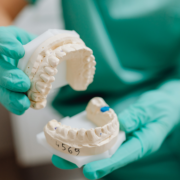
Why are they called wisdom teeth?
Wisdom teeth are your third molars. They are located at the very back of the mouth and typically begin to emerge between the ages of 16 and 25, if they come in at all.
These teeth are called “wisdom teeth” because they appear later in life, around the age when a person is thought to be gaining maturity and wisdom.
For many people, wisdom teeth do not have enough room to erupt properly. As a result, they often cause problems and may need to be removed.
Why Do We Have Wisdom Teeth?
Experts believe wisdom teeth are a remnant of our early ancestors. Ancient diets consisted of tough foods such as raw meat, nuts, berries, and leaves, all of which required significant chewing power.
Third molars likely developed to provide extra chewing strength. In today’s world, however, our diets are much softer and more processed, and our jaws tend to be smaller. This means wisdom teeth are often unnecessary and can create dental problems.
Do Wisdom Teeth Always Need to Be Removed?
Not always.
If wisdom teeth:
- Erupt fully
- Fit properly in the mouth
- Are easy to clean
- Do not damage nearby teeth
- Have healthy gum tissue around them
They may not need treatment.
However, many people do not have enough room in their jaws for these teeth to come in correctly.
What Are Impacted Wisdom Teeth?
When a wisdom tooth becomes trapped beneath the gum tissue or within the jawbone, it is referred to as an impacted wisdom tooth.
Impacted wisdom teeth can lead to:
- Pain and swelling
- Gum infections
- Damage to neighboring teeth
- Tooth crowding
- Cysts or other complications
Approximately 85% of people will need to have their wisdom teeth removed at some point.
What to Expect During Wisdom Teeth Removal
If Dr. Chauvin determines that your wisdom teeth should be extracted, he will discuss the procedure and answer any questions you may have.
The complexity of the extraction depends on:
- The position of the tooth
- Whether the tooth is impacted
- How developed the roots are
Some wisdom teeth are straightforward to remove, while others require a more involved surgical procedure.
Types of Anesthesia Used
There are three common anesthesia options for wisdom teeth removal.
Local Anesthesia
A numbing medication is injected near the treatment area so you remain awake but comfortable.
Sedation Anesthesia
Medication is administered through an IV to help you relax and sleep during the procedure.
General Anesthesia
Medication is given so that you are fully asleep throughout the surgery.
If all four wisdom teeth are being removed, sedation or general anesthesia is often recommended.
The Wisdom Teeth Removal Procedure
Before the procedure, you may be instructed not to eat after midnight, depending on the type of anesthesia being used.
During the extraction:
- Anesthesia is administered.
- The gum tissue is gently opened if necessary.
- The tooth may be removed in sections.
- The area is cleaned.
- Dissolvable stitches may be placed.
- Gauze is used to control bleeding.
Removing all four wisdom teeth often takes about 30 minutes, although treatment time can vary.
Recovery After Wisdom Teeth Removal
Most patients experience some swelling and mild discomfort after surgery. These symptoms are temporary and can usually be managed with prescribed or over-the-counter medications.
Following Dr. Chauvin’s aftercare instructions is important to ensure proper healing and minimize complications.
Schedule a Wisdom Teeth Consultation With Dr. Chauvin
If you are experiencing pain or suspect your wisdom teeth may need to be removed, Dr. Chauvin can evaluate your situation and recommend the best course of treatment.
Contact our office today to schedule an appointment and learn more about wisdom teeth removal.
Frequently Asked Questions About Wisdom Teeth:
1. At what age do wisdom teeth usually come in?
Wisdom teeth typically erupt between the ages of 16 and 25, although some people never develop them.
2. How do I know if my wisdom teeth are impacted?
Common signs include jaw pain, swelling, gum tenderness, bad breath, and difficulty opening your mouth fully.
3. Do all wisdom teeth need to be removed?
No. If they come in properly and do not cause problems, they may be left in place and monitored.
4. Is wisdom teeth removal painful?
The procedure itself is not painful because anesthesia is used. Some soreness and swelling afterward are normal but temporary.
5. How long does recovery take?
Most people feel significantly better within a few days, although complete healing may take several weeks.
6. What happens if impacted wisdom teeth are not removed?
Untreated impacted wisdom teeth can cause infections, damage nearby teeth, and lead to other oral health complications.